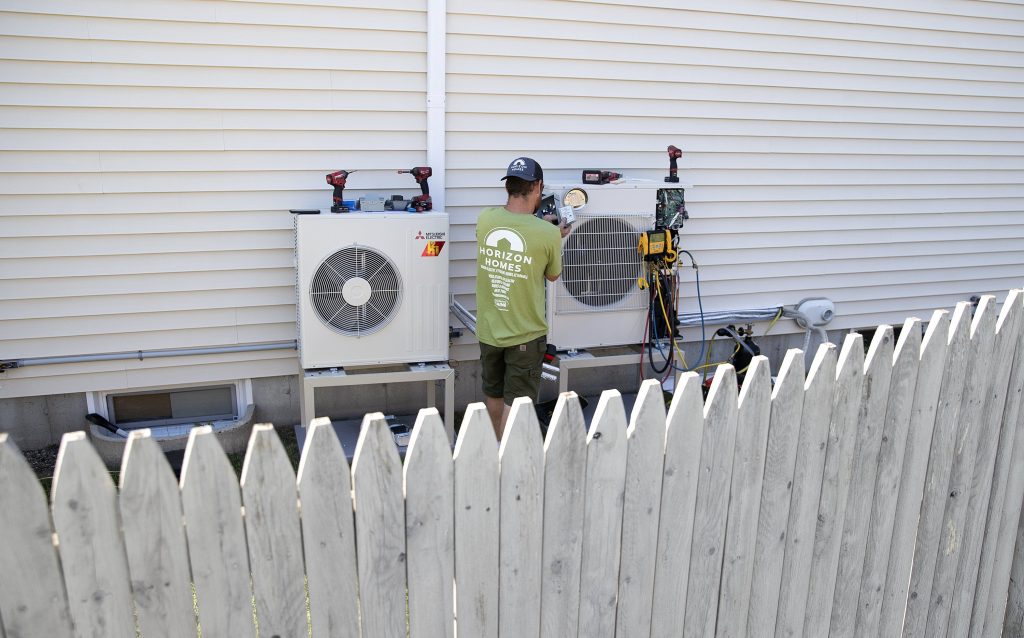
The expiration of federal clean energy incentives on December 31, 2023 is set to impact the costs associated with heat pumps for homeowners in Maine. As these incentives conclude, many are left wondering how this change will affect their ability to switch to more energy-efficient heating systems.
Despite the expiration of these federal incentives, homeowners in Maine will still have access to Efficiency Maine rebates. These rebates are designed to encourage the adoption of energy-efficient technologies, including heat pumps. The state is also involved in a broader initiative that allocates $450 million to increase heat pump usage across the New England region, ensuring continued support for residents looking to invest in sustainable heating solutions.
The clean energy incentives, which have provided significant financial assistance to homeowners, are being phased out as part of an evolving approach to energy policy. While some may view this as a setback, the ongoing support from Efficiency Maine and regional funding indicates a commitment to fostering energy efficiency in the long term.
The economic landscape for heat pump installations will likely shift as the market adapts to the absence of federal tax credits. Homeowners may face increased upfront costs, which could deter some from making the switch. However, the long-term savings associated with reduced energy bills and lower carbon footprints could still make heat pumps an attractive option.
Furthermore, the state’s involvement in the $450 million initiative is expected to help mitigate some of the financial burdens associated with heat pump installations. By providing financial incentives at the state level, Maine aims to promote energy efficiency and reduce reliance on fossil fuels. This initiative is part of a larger strategy to combat climate change and transition to renewable energy sources.
As the deadline approaches, homeowners are encouraged to explore available options and understand how the changes may affect their decisions. While the loss of federal incentives may pose challenges, the support from Efficiency Maine and regional initiatives highlights a commitment to sustainable energy practices that could benefit residents in the long run.
In conclusion, the landscape for heat pump costs in Maine is poised for transformation with the expiration of federal incentives. Homeowners should remain informed about available rebates and initiatives that can aid in their transition to energy-efficient heating solutions. As the region moves towards a more sustainable future, the focus on heat pumps and energy efficiency remains a critical component of Maine’s environmental strategy.