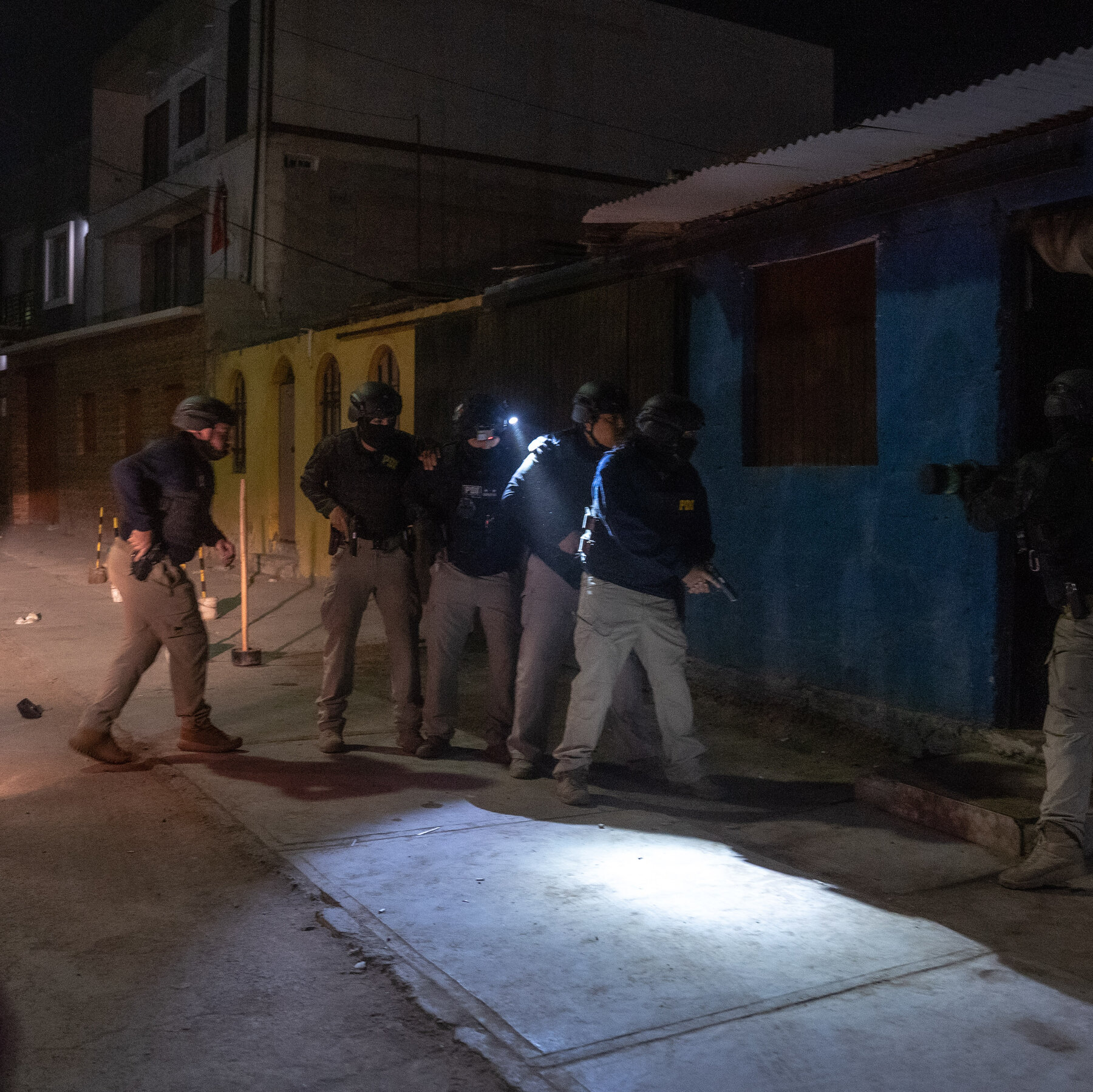
A surge in crime fears across Latin America is driving a political shift in Chile, with voters increasingly leaning towards right-wing parties. As the country approaches its elections, security has emerged as the dominant concern, prompting calls for stringent measures to combat rising violence.
According to recent polls, public anxiety over crime is at an all-time high, with many Chileans advocating for tough policies. This shift in sentiment reflects a broader trend seen throughout the region, where citizens are prioritizing safety over other political issues.
The political landscape in Chile is rapidly evolving. Candidates from right-wing parties are capitalizing on public fears, promising to implement stricter law enforcement and enhance security measures. The election, scheduled for December 2023, is expected to feature a significant focus on crime and public safety, influencing voter behavior.
In addition to crime, economic challenges also play a role in shaping voter preferences. High inflation rates and economic instability have exacerbated public concerns, leading many to seek candidates who prioritize law and order. As a result, right-wing parties, traditionally associated with stronger security policies, have gained traction among the electorate.
The shift is not isolated to Chile. Across Latin America, nations are experiencing similar dynamics as crime rates rise. Citizens are increasingly dissatisfied with existing government responses, leading to a surge in support for parties advocating for tougher measures. This trend may reshape the political landscape in multiple countries, as voters demand immediate and effective action.
Political analysts suggest that the urgency surrounding crime will likely dominate campaign agendas. As candidates prepare for the upcoming election, public discourse is expected to revolve around security policies, with right-wing candidates poised to benefit from the prevailing sentiment.
The implications of this political shift could be profound. A right-wing victory in Chile may pave the way for more stringent law enforcement policies, which could have lasting effects on civil liberties and governance. Observers are closely monitoring the situation, as the outcomes of these elections may influence regional politics and policy responses to crime.
As the election date approaches, both voters and candidates will grapple with the complex interplay between security, economics, and governance. Chile stands at a crossroads, with the potential for significant change on the horizon as citizens weigh their options in the face of rising crime and political uncertainty.