The European Union has taken a significant step to support Ukraine by indefinitely freezing Russian assets within its borders. This decision aims to prevent Hungary and Slovakia, both of which have governments friendly to Moscow, from obstructing the use of these funds for Ukraine’s recovery.
Utilizing a special procedure designed for economic emergencies, the EU has blocked access to assets estimated at around 210 billion euros (approximately $247 billion) until Russia ceases its military aggression against Ukraine and compensates for the extensive damage caused over the past four years.
EU Council’s Commitment to Ukraine
EU Council President António Costa emphasized the importance of this decision, stating that European leaders had committed in October to keeping Russian assets immobilized until Russia ends its war and compensates Ukraine for its losses. “Today we delivered on that commitment,” Costa said, highlighting the EU’s role in ensuring that funds are directed to support Ukraine’s financial and military requirements.
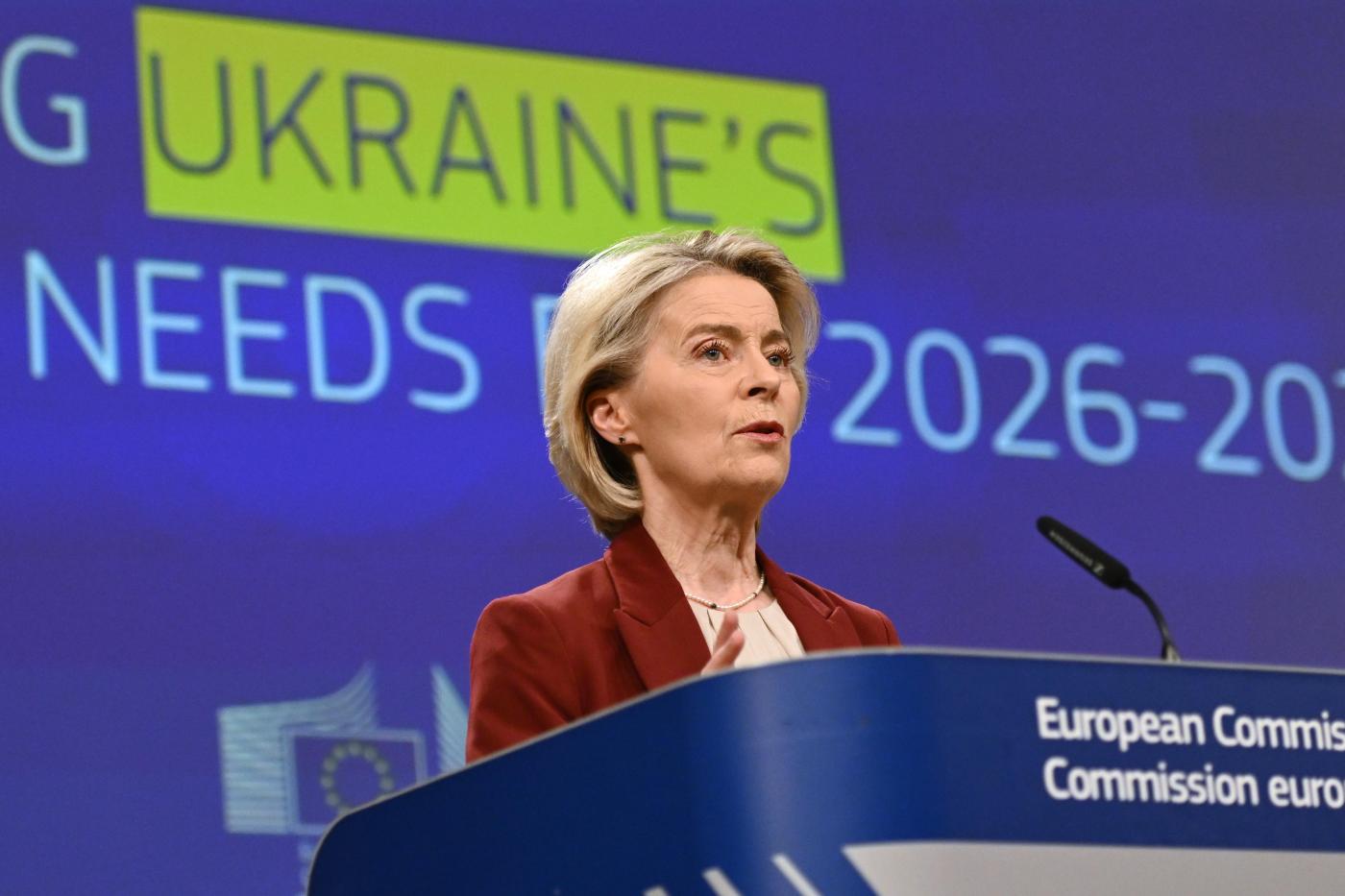
The decision paves the way for discussions at an upcoming summit on December 18, 2025, where EU leaders will determine how to utilize the frozen Russian Central Bank assets to help Ukraine meet its pressing needs over the next two years. “Next step: securing Ukraine’s financial needs for 2026–27,” Costa added.
The frozen assets cannot be used to negotiate an end to the conflict unless approved by the EU, thus maintaining European oversight over any potential agreements. A recent proposal by U.S. and Russian envoys to release these assets for use in Ukraine was rejected by both Ukraine and its European allies.
Reactions from Hungary and Slovakia
The response from Hungary has been particularly vocal. Prime Minister Viktor Orbán, known as one of Russian President Vladimir Putin‘s closest allies in Europe, accused the European Commission of undermining European law. He stated that the decision represents a departure from the rule of law within the EU and suggested that Hungary would strive to restore a lawful order.
In a letter to Costa, Slovak Prime Minister Robert Fico expressed his opposition to any initiative that would involve funding Ukraine’s military through these assets. He cautioned that using frozen Russian assets could jeopardize peace efforts led by the United States, which rely on these resources for Ukraine’s reconstruction.
The European Commission maintains that the ongoing war has significantly impacted the EU economy, driving up energy prices and hindering growth. The EU has already provided nearly 200 billion euros (about $235 billion) in support to Ukraine.
Belgium, where Euroclear, the primary holding institution for the assets, is located, has raised concerns over the risks associated with the EU’s plan. Belgian officials have urged other member states to recognize the potential economic and legal consequences of utilizing these frozen funds.
In the backdrop of these developments, the Central Bank of Russia has initiated a lawsuit against Euroclear, claiming damages stemming from its inability to manage the frozen assets. The Central Bank has also criticized the EU’s plans as “illegal” and in violation of international law, arguing they contravene the principles of sovereign immunity.
This decisive action by the EU highlights the ongoing complexities of international relations and the lengths to which member states will go to support Ukraine amidst its ongoing conflict with Russia. As discussions continue, the implications of this freeze on Russian assets will be closely monitored by both supporters and critics within the EU and beyond.