The recent agreement between the UK government, led by Keir Starmer, and the administration of Donald Trump regarding medicines has sparked significant debate about its implications for British healthcare. While government officials have touted the deal as a transformative step for the National Health Service (NHS), experts warn it may come at a steep cost for patients.
The deal has been described by Patrick Vallance, the UK’s science minister, as a “world-beating” agreement that positions the UK as a global leader in life sciences. Peter Kyle, the business secretary, echoed this sentiment, claiming that “tens of thousands of NHS patients will benefit.” However, reactions from the US highlight a starkly different interpretation, framing the agreement as a victory for American workers, with potential repercussions for British patients.
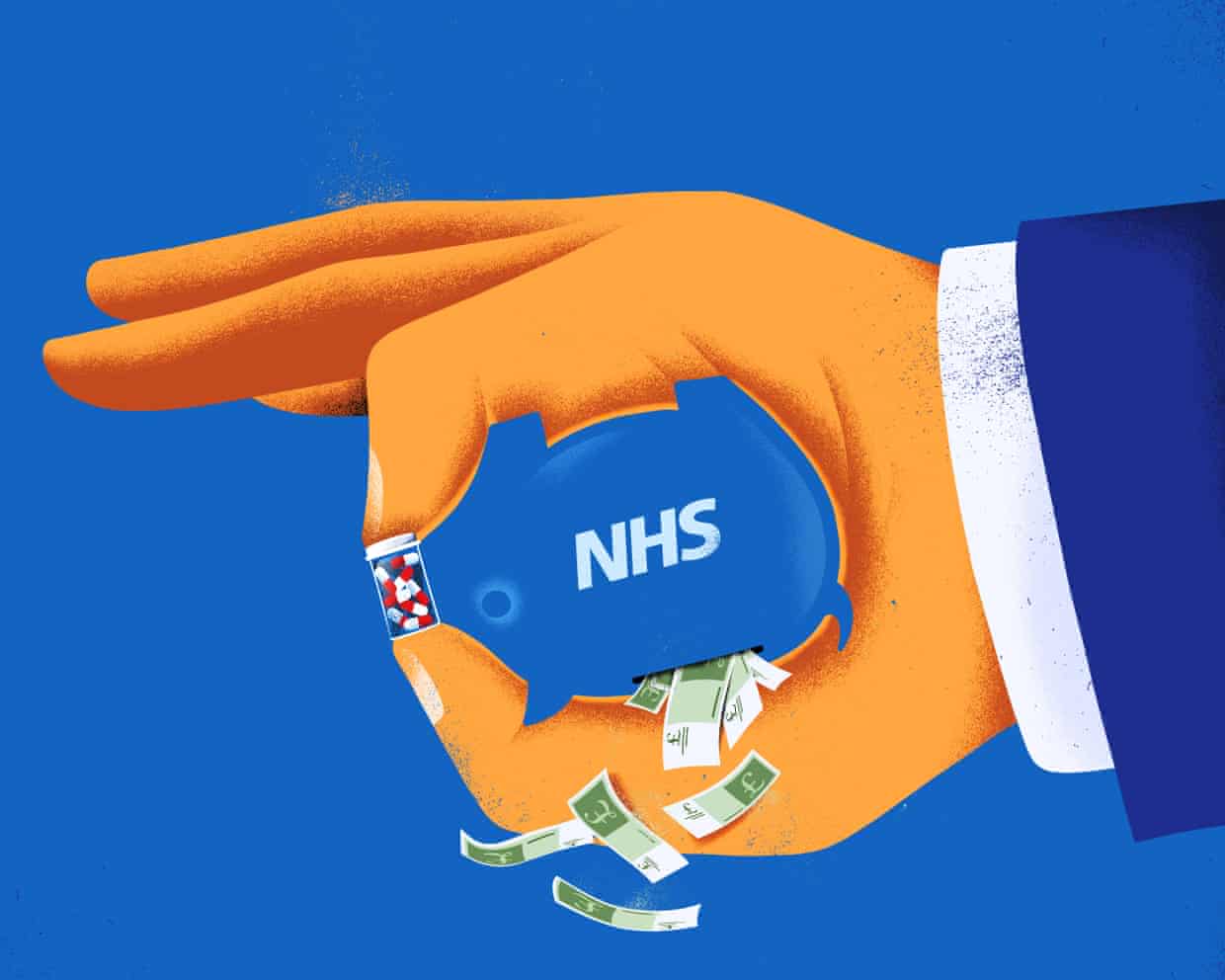
According to a report from the Office for Budget Responsibility (OBR), the agreement could impose an additional cost of up to £3 billion annually on the NHS for medicines. This figure represents an increase in spending without any additional benefits for patients, raising concerns about how these funds will be sourced. With the NHS already facing budgetary pressures, experts anticipate that this added financial burden may lead to longer wait times for care, including fewer cancer scans, delays in surgeries, and extended ambulance wait times.
Despite Wes Streeting, the UK health secretary, contesting the OBR’s estimates, independent analysts suggest that the implications of this deal have not been thoroughly evaluated by the government. Karl Claxton, a professor at the University of York and an authority on NHS medicine economics, indicated that the deal could result in approximately 15,971 additional deaths annually due to reduced healthcare access. Even under Streeting’s more optimistic estimates, the expected increase in mortality remains alarming.
This agreement appears to be poorly communicated to the public, with little official documentation available and no parliamentary vote required. The lack of transparency contrasts sharply with the extensive media coverage of other healthcare issues, such as the recent pay disputes among doctors, which have received significantly more attention.
The dynamics surrounding this deal reflect broader issues within the pharmaceutical industry, particularly the contrasting approaches to drug pricing in the US and the UK. The NHS’s stringent regulations have historically kept medicine costs lower than those in the US, where prices can be three times higher. The recent deal, described by some as a capitulation to US pharmaceutical companies, raises fears that it may undermine the NHS’s ability to negotiate fair prices.
Recent events leading up to this agreement include notable withdrawals of investment commitments from major pharmaceutical firms. For instance, Merck recently abandoned plans for a research facility in London, while AstraZeneca paused a project that was expected to create 1,000 jobs. These moves have prompted speculation about coordinated pressure from the pharmaceutical industry, which has expressed concerns over the UK’s pricing practices.
The implications of this medicines deal extend beyond financial considerations; they reflect a shift in the fundamental purpose of the NHS. Critics argue that the government’s focus on securing international trade deals may compromise the integrity of a system designed to prioritize patient care over corporate profits.
As discussions continue about the impact of this agreement, the voices of health experts and patient advocates become increasingly vital in ensuring that the needs of UK citizens are not overlooked in the pursuit of economic growth. The recent deal serves as a stark reminder of the delicate balance between trade interests and the health of the population, calling for careful scrutiny and public discourse in the days to come.