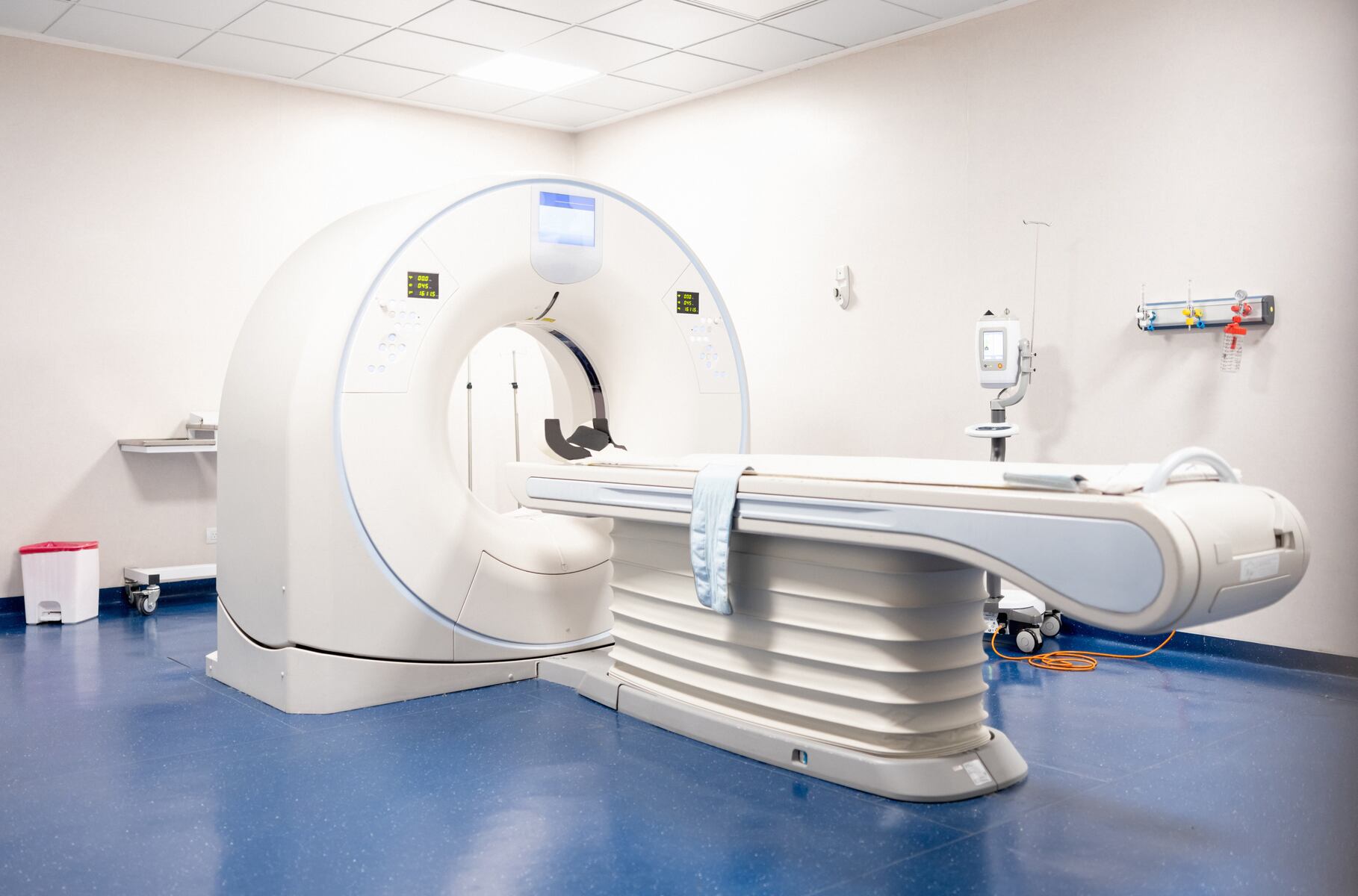
Emerging health concerns have prompted questions about the safety of contrast dyes used in medical imaging. A recent inquiry to medical expert Dr. Roach raised the possibility of these dyes causing symptoms associated with hyperthyroidism.
A 58-year-old male, referred to as G.L., experienced symptoms such as dry eyes, weight loss, and insomnia following an MRI of his cervical spine and a CT scan of his abdomen. These symptoms are commonly linked to hyperthyroidism, characterized by an overproduction of thyroid hormone. G.L. sought clarification on whether the contrast dye used during these procedures could be responsible for his health issues.
Dr. Roach confirmed that while symptoms like weight loss and insomnia can indicate hyperthyroidism, the likelihood of contrast dyes causing such a condition is low. He explained that the iodine-containing dye from CT scans has been known to potentially trigger hyperthyroidism in susceptible individuals, yet the overall risk remains minimal. Importantly, there is no increased risk of thyroid disease associated with MRI contrast dyes.
G.L. is advised to consult his physician for a thorough evaluation and testing to determine if hyperthyroidism is indeed the cause of his symptoms. Dr. Roach noted that while G.L.’s symptoms align with thyroid issues, they are not exclusive to such conditions, leaving room for other explanations.
In a separate query, L.E., a woman who recently remarried, reported experiencing five urinary tract infections (UTIs) within 14 months. After 20 years of menopause, she began using estradiol cream to address vaginal dryness, which may contribute to her recurrent UTIs. L.E. expressed concern about the appropriateness of hormone replacement therapy given her postmenopausal status.
Dr. Roach addressed L.E.’s worries, explaining that the risks associated with estrogen replacement therapy primarily stem from systemic estrogen, which is absorbed into the bloodstream. Topical estrogen, such as that found in vaginal creams, is not significantly absorbed and does not carry the same risks associated with heart disease, blood clots, or breast cancer. He clarified that women with a uterus should use progestins alongside systemic estrogen, but this is not necessary for topical applications.
In L.E.’s case, the application of topical estrogen appears to be a reasonable choice, especially given the negligible risks involved. Dr. Roach emphasized the importance of individual discussions between patients and their healthcare providers when considering hormone replacement therapy, particularly for women who are long postmenopausal.
Both cases highlight the ongoing need for clear communication between patients and healthcare providers regarding treatment options and the potential side effects of medical interventions.
Readers are encouraged to reach out to Dr. Roach with their questions for further guidance. His column aims to address individual health concerns while providing informative responses to a broader audience. For inquiries, individuals can email [email protected] or send correspondence to 628 Virginia Dr., Orlando, FL 32803.
North America Syndicate Inc. retains the rights to this content, ensuring that the public has access to valuable health information.