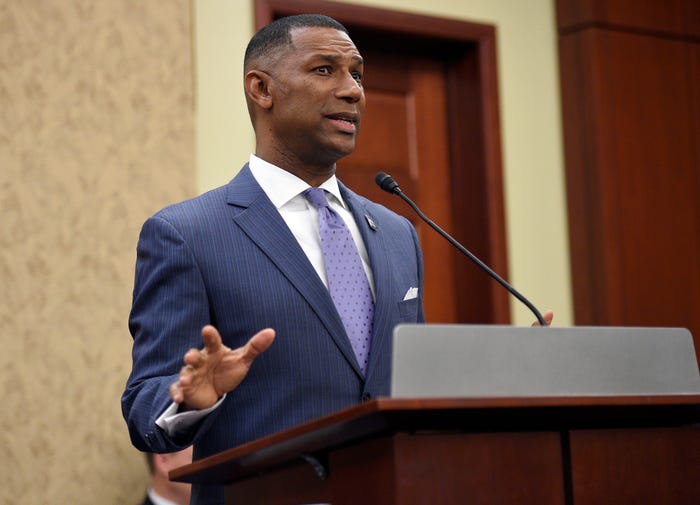
On December 5, 2023, the Society for Human Resource Management (SHRM) was ordered to pay a staggering $11.5 million in a discrimination and retaliation case. This verdict has drawn significant backlash, particularly following remarks from SHRM’s CEO, Johnny C. Taylor Jr., who referred to the ruling as a “blip,” a characterization that has not sat well with critics.
In a video message to employees, Taylor expressed his discontent with the jury’s decision. He stated, “While as a lawyer, you all know, I respect the judicial process, we vehemently disagree with the decision.” Taylor emphasized that the case lacked merit and encouraged employees not to discuss the matter with the press as the organization faces mounting criticism online.
The case was initiated by Rehab Mohamed, who worked for SHRM as an instructional designer from 2016 to 2020. The jury awarded Mohamed $1.5 million in compensatory damages and a further $10 million in punitive damages, a classification that legal experts refer to as a “nuclear verdict.” Such high amounts are rare; the median federal race-discrimination verdict over a seven-year period ending in 2021 was $150,000, according to data from Westlaw.
Implications and Reactions
The implications of this verdict extend beyond financial penalties. The significant damages awarded are indicative of jurors’ expectations from an organization that brands itself as a leader in human resource practices. Allison Williard, an employment lawyer at Washienko Law Group in Boston, noted, “Getting a punitive damages award is difficult because it requires proving that the conduct was extreme and outrageous.”
Jurors reportedly took approximately four and a half hours to reach their decision. Court records indicate they sought clarification regarding the distribution of punitive damages, reflecting their consideration of the case’s broader context.
SHRM announced plans to appeal the ruling, stating in a LinkedIn post that its leadership takes the concerns raised by the verdict seriously. A spokesperson, Eddie Burke, acknowledged the organization’s commitment to addressing the heightened scrutiny, asserting, “We maintain that the defendant in this case was not discriminated against.”
Public and internal reactions have been swift. Critics on social media have expressed that a verdict of this magnitude reveals underlying issues within SHRM’s workplace culture. One user commented, “An $11.5 million verdict doesn’t happen in a vacuum; it reflects patterns, dismissed concerns, and a lack of internal accountability.”
Impact on SHRM’s Future
The fallout from this case may have lasting effects on SHRM’s reputation, particularly concerning its more than 575 local chapters globally. A chapter president, who chose to remain anonymous due to concerns of retaliation, described the verdict as “mind-blowing” and expressed fears that it could lead to a loss of members and sponsors—critical revenue streams for local affiliates.
As SHRM prepares to navigate the appeal process, the organization faces the daunting task of rebuilding trust among its employees, members, and the public. The case serves as a reminder of the importance of accountability and the potential consequences of failing to uphold the very standards that SHRM promotes.
The outcome of the appeal will be closely watched as SHRM seeks to reaffirm its commitment to workplace excellence and address the criticisms stemming from this significant legal setback.