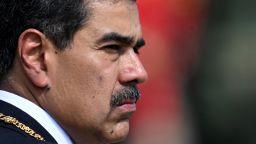
Nicolás Maduro, the President of Venezuela, has managed to maintain his grip on power despite years of predictions that his presidency would falter. The leader, often ridiculed for his eccentric behavior and decisions, has navigated a turbulent political landscape since taking office in 2013. Underestimating Maduro has proven to be a significant miscalculation for his critics, as he has become the longest-serving president in Latin America, surpassing 12 years in office.
Maduro’s political journey began under the shadow of his predecessor, Hugo Chávez, who selected him as his successor just before his death in December 2012. The late president’s endorsement was a pivotal moment for Maduro, who previously held positions as foreign minister and vice president. Despite facing skepticism from within his party, the United Socialist Party of Venezuela (PSUV), Maduro’s ascent to the presidency was solidified by Chávez’s dying wish.
His presidency, however, has been marked by a series of crises. Venezuela has witnessed a massive exodus of its population, with nearly eight million Venezuelans fleeing the country in search of better opportunities. The economy has also suffered tremendously, with estimates indicating that Venezuela’s economy has contracted by 72% since 2013. Reports from the International Monetary Fund (IMF) indicate that the economy is currently only 28% of its previous size.
Controversial Elections and International Isolation
Maduro’s electoral legitimacy has been a point of contention, as opposition parties and international observers have repeatedly questioned the fairness of elections during his tenure. In the April 2013 elections, Maduro won by a narrow margin of just 1.59% against opposition leader Henrique Capriles. Subsequent elections have been marred by allegations of fraud, repression, and lack of transparency. Despite this, Maduro has consistently claimed that his elections are fair and constitutional.
The political landscape has also been complicated by international sanctions, particularly from the United States. Following Maduro’s controversial re-election in 2018, the Trump administration intensified sanctions against Venezuela, targeting the state oil company, PDVSA. These sanctions aimed to cripple Maduro’s regime but have also contributed to the hardships faced by the Venezuelan people, exacerbating an already dire humanitarian crisis.
Survival Tactics Amidst Crises
Maduro’s ability to cling to power can be attributed to a combination of strategic alliances and a profound understanding of the political landscape. His close ties with Cuba have been particularly significant, as the Cuban government has provided essential support to Maduro, both politically and militarily. This relationship has allowed him to maintain control over the military and suppress dissent.
Moreover, Maduro has adeptly utilized propaganda, framing his regime’s challenges as a struggle against external imperialism. This narrative has resonated with segments of the population, allowing him to cultivate a base of support despite the widespread discontent surrounding his governance.
As Maduro faces increasing military and diplomatic pressure from the United States, he remains defiant. His administration continues to dismiss accusations of human rights violations and economic mismanagement, often attributing these issues to foreign interference and sanctions.
Venezuela stands at a crossroads, with its leader showing resilience in the face of overwhelming adversity. The question remains: can Nicolás Maduro once again defy expectations and maintain his presidency amidst growing national and international challenges? The future of Venezuela hangs in the balance as the nation grapples with the repercussions of his long-standing rule.