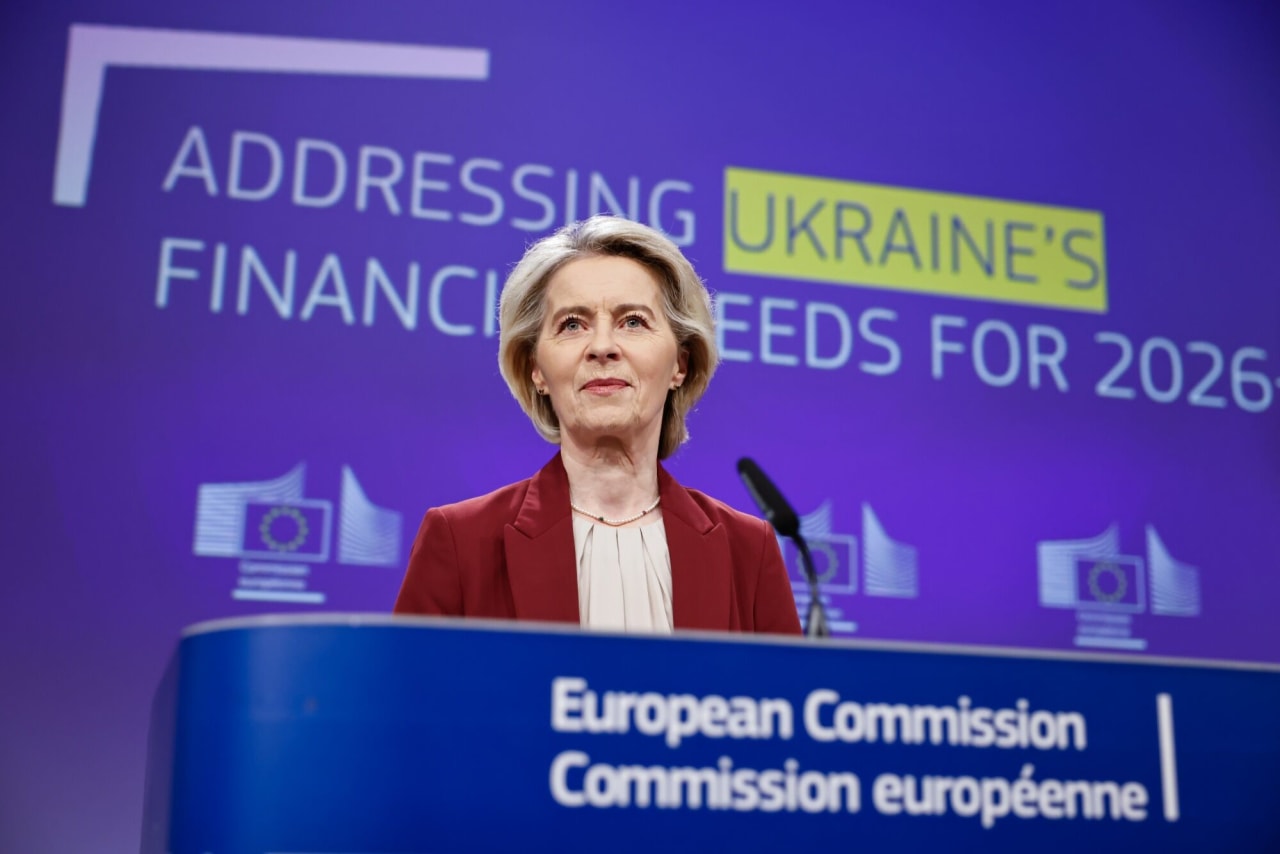
European officials have revised their plans to provide substantial financial support to Ukraine, decreasing the proposed loans aimed at bolstering the country’s economy during its ongoing conflict with Russia. The European Union, which originally planned to extend loans worth €18 billion, is now scaling back this financial aid in response to concerns raised by Belgian policymakers.
Belgium’s apprehensions primarily stem from the potential implications of such large-scale loans on the nation’s budget. The concern revolves around the sustainability of these loans, particularly in light of rising inflation and economic strain across Europe. As a result, the European Commission is re-evaluating the financial framework surrounding the aid to ensure it aligns with the economic realities faced by member states.
Shifting Strategies in Financial Support
The revised proposal allows the United States some flexibility in utilizing these funds as a strategic point in its diplomatic dealings with Moscow. By adjusting the loan structure, U.S. officials may have more leverage in influencing Russia’s actions, a move seen as crucial given the geopolitical landscape.
While the European Union remains committed to supporting Ukraine, the decision to scale back reflects a balancing act between providing necessary aid and managing fiscal responsibility within member states. The total amount of loans is now under review, with discussions expected to continue into the coming weeks.
Belgium’s government has been vocal about its stance, emphasizing the need for a thorough assessment of the financial implications associated with such loans. The country’s finance minister stated that any commitment to aid must be sustainable and in the best interest of Belgian taxpayers.
Future Implications for Ukraine
This reduction in planned financial assistance comes at a critical juncture for Ukraine, which continues to face significant challenges due to the ongoing conflict. The need for economic stability and reconstruction is paramount as the country navigates its path toward recovery.
Ukrainian officials have expressed concern about the impact of reduced funding on their efforts to stabilize the economy and rebuild infrastructure. The European Union’s commitment to Ukraine remains strong, yet the shift in loan strategy raises questions about the long-term support that can be expected.
As discussions progress, both the European Union and Ukraine will need to find a way to balance the urgent need for financial assistance with the fiscal realities of member states like Belgium. The outcome of these deliberations will be closely watched by international observers, as the situation continues to evolve.