In a recent inquiry, six prominent executives revealed the books that have significantly influenced their leadership styles. These leaders, representing major organizations such as Amazon Web Services, Mastercard, and Revlon, highlighted a diverse array of literature that focuses on decision-making, emotional intelligence, and personal development.
According to the executives, the selections range from foundational management texts to works that emphasize the importance of soft skills in leadership. This collection offers valuable insights for those seeking inspiration for their own leadership journeys or looking for thoughtful gifts this holiday season.
Insights from Industry Leaders
Sarah Cooper, Director of AI Native at Amazon Web Services, shared her appreciation for Clayton Christensen’s “The Innovator’s Dilemma.” Cooper emphasized the book’s relevance in today’s rapidly changing workforce, stating that it provides essential principles for harnessing disruptive innovation. She also values Daniel Goleman’s “Emotional Intelligence,” which argues that emotional awareness is crucial for success, especially as artificial intelligence reshapes job roles. “Leading with empathy is especially critical,” she remarked.
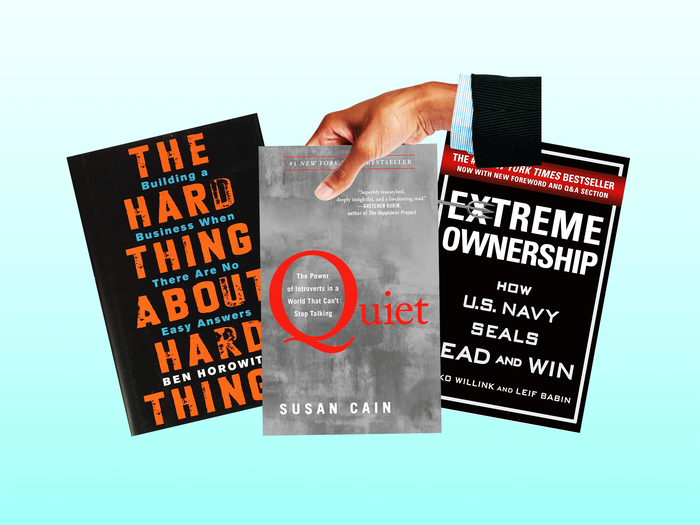
Jennifer Van Buskirk, Head of Business Operations at AT&T, described herself as “a bit of an adrenaline junkie,” which reflects in her book choices. She recommended “Extreme Ownership: How US Navy Seals Lead,” by Jocko Willink and Leif Babin, noting how it teaches personal accountability. Another favorite, “Get Sh*t Done,” by Lauris Liberts and Startup Vitamins, was gifted to her by a former chief information officer and resonates with her proactive mindset.
Raj Seshadri, Chief Commercial Payments Officer at Mastercard, pointed to Brené Brown’s “Dare to Lead” as a pivotal influence. Seshadri highlighted the book’s focus on trust and vulnerability in leadership, asserting that effective leaders cultivate environments where team members feel safe to innovate. “It provides practical tools for creating brave cultures,” she noted.
Biographies and Personal Stories
Michelle Peluso, CEO of Revlon, expressed a preference for biographies, which she believes offer deeper human insights than traditional business literature. Among her notable mentions are “Team of Rivals” by Doris Kearns Goodwin, “Personal History” by Katharine Graham, “Leonardo da Vinci” by Walter Isaacson, and “Long Walk to Freedom” by Nelson Mandela. Peluso finds these narratives provide valuable perspectives on leadership challenges.
From IBM, Christina Shim, Chief Sustainability Officer, highlighted “The Geek Way” by Andrew McAfee, which outlines a culture centered on science and openness. Shim also endorsed Susan Cain’s “Quiet,” which addresses the experiences of introverts in a predominantly extroverted environment. She emphasized the importance of recognizing the strengths of introverted team members and even distributed copies to her entire team.
Noura Sakkijha, CEO of Mejuri, reflected on how Ben Horowitz’s “The Hard Thing About Hard Things” has shaped her understanding of entrepreneurship. The book offers candid insights into the challenges of building a business, contrasting the often simplified narratives found in other founders’ stories. “It was really helpful to read his story, how they built the business, the challenges they went through, and the persistence,” Sakkijha explained.
As these leaders illustrate, the right literature can profoundly impact leadership styles and approaches. Their recommendations serve as a guide for those looking to deepen their understanding of effective leadership practices. Whether for personal growth or as a thoughtful gift, these books offer timeless lessons for aspiring leaders in any field.