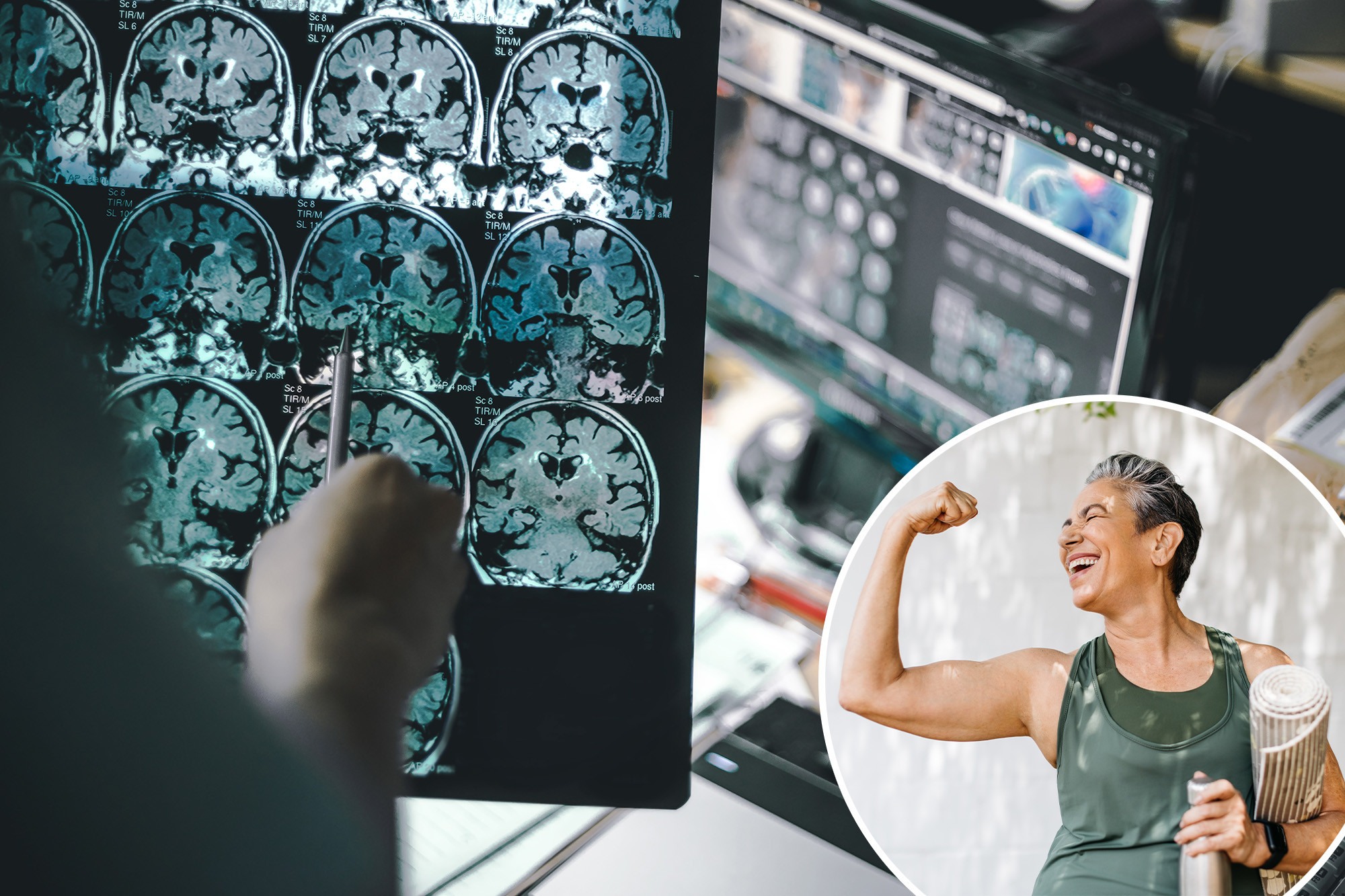
Research indicates that engaging in regular exercise may significantly contribute to maintaining a younger, healthier brain and lowering the risk of Alzheimer’s disease. A study led by Dr. Cyrus Raji, a neuroimaging scientist, reveals a strong connection between body composition and brain aging. This connection could pave the way for identifying individuals at risk of cognitive decline well before symptoms surface.
The study involved 1,164 healthy adults with an average age of 55. Researchers utilized whole-body MRI scans to assess muscle and fat volume, focusing on two types of fat: subcutaneous fat, located just beneath the skin, and visceral fat, which encases the organs deep within the abdomen. The team employed artificial intelligence to estimate each participant’s “brain age,” a measure that reflects biological age based on brain structure.
In their findings, the researchers discovered that individuals with a higher muscle mass relative to visceral fat demonstrated younger-looking brains. Dr. Raji noted, “The participants with more muscle tended to have younger-looking brains, while those with more hidden belly fat relative to their muscle had older-looking brains.” Importantly, subcutaneous fat did not correlate with brain aging.
The implications of this research are profound, as it highlights the potential for muscle-building and visceral fat reduction to improve brain health. According to Dr. Raji, the study validates existing hypotheses about the relationship between body composition and cognitive health. He emphasized that these biomarkers could play a vital role in future clinical trials exploring various metabolic interventions.
Impact of Weight Loss Medications on Brain Health
The findings also touch on the rising popularity of GLP-1 medications, such as Ozempic and Wegovy, which are commonly used to treat type 2 diabetes and obesity. These medications work by mimicking hormones that regulate blood sugar, digestion, and appetite, resulting in significant weight loss—typically between 15% to 25% of body weight. However, studies indicate that a portion of this weight loss, potentially up to 40%, may come from lean mass, including muscle.
This loss could lead to increased frailty and disrupt the beneficial muscle-to-visceral-fat ratio, potentially affecting an individual’s brain age adversely. Dr. Raji suggested that the study’s insights could inform the development of new GLP-1s that specifically target visceral fat while preserving muscle mass. He stated, “Losing fat—especially visceral fat—while preserving muscle volume would have the best benefit on brain aging and brain health based on insights from our work.”
The study underscores the importance of considering body composition in discussions about brain health. By quantifying MRI results related to body fat, muscle, and brain age, researchers can determine optimal dosing regimens for GLP-1 medications. Such advancements could lead to improved outcomes for both physical and cognitive health, reinforcing the critical intersection between exercise, body composition, and brain aging.
As research progresses, understanding the balance between muscle and visceral fat may become a cornerstone in strategies aimed at reducing the risk of Alzheimer’s and promoting overall brain health.